


How to Transition Your Dog to Raw Food and Why Many Owners Choose Raw
One of the biggest questions pet parents ask when looking into a species-appropriate diet is:
“What makes raw food different from kibble, and is the switch worth it?”
The answer starts with understanding how dry kibble is manufactured compared to how we prepare fresh, species-appropriate raw food here at BJ’s Raw Pet Food.
Download the Free Transitioning to Raw 101 Guide Here!

Raw Food vs. Kibble: What's the Real Difference?
Kibble is an ultra-processed, shelf-stable product. Its ingredients are combined and cooked through high-heat manufacturing methods that allow the finished food to be stored at room temperature for months or years. Because kibble requires binding agents to hold its shape, recipes rely heavily on high-glycemic starches like corn, wheat, rice, peas, or potatoes. These complex starches quickly turn into simple glucose inside your dog’s digestive tract, which can contribute to weight gain, diabetes, chronic inflammation, and poor gut health over time (University of Helsinki Study-2025).
Additionally, many dry foods—and even some commercial "slightly cooked" or frozen raw pet food brands—undergo High-Pressure Processing (HPP). While HPP is used to extend shelf life, this heatless pressure process can alter natural protein structures and destroy beneficial, gut-friendly probiotics that naturally support your dog's immune system.
The BJ’s Raw Pet Food Difference: "Feed Like Nature Intended"
At BJ’s Raw Pet Food, we formulate veterinarian-approved raw mixes and blends with zero HPP, zero heat, and zero shortcuts. Our core philosophy—"Feed Like Nature Intended"—means providing your pet with the exact ancestral diet they evolved to eat in the wild.
Celebrating 10 years of delivering premium raw pet food across all 50 states, our recipes feature raw, grass-fed meats packed with fresh ingredients: high-protein muscle meat, nutrient-dense organs, raw edible bone, and select fresh fruits and vegetables. You will never find synthetic preservatives, artificial dyes, high-starch fillers, or manufactured vitamin packs in our meals. As soon as our blends are mixed, they are immediately frozen to lock in maximum nutritional density and natural enzyme profiles.
What Does a Biologically Appropriate Raw Diet Consist Of?
A complete and balanced raw feeding diet starts with recognizable, whole-food animal ingredients, such as:
-
High-Protein Muscle Meats: Beef, chicken, turkey, lamb, rabbit, duck, and salmon
-
Nutrient-Dense Secreting Organs: Liver, kidney, spleen, and other vital organ meats
-
Raw Edible Bones: Providing natural, bioavailable calcium and phosphorus
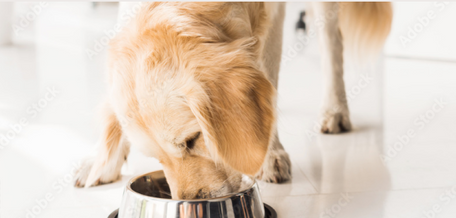
Instead of converting these vital ingredients into a highly processed pellet, raw feeding leaves them in their natural, unadulterated state. For many raw-feeding families, this transparency is the biggest appeal—you can see exactly what animal proteins are going directly into your dog's bowl.

Key Benefits of Switching Your Dog to a Raw Food Diet
-
Natural Hydration from Whole Foods: Dry kibble contains very little moisture, forcing your dog's body to rely entirely on drinking water. Fresh raw meat naturally contains high moisture content, allowing your dog to absorb dietary hydration directly from their food for optimal kidney and urinary tract health.
-
Transparent, High-Quality Nutrition: You retain complete control over what your pet eats, ensuring no mystery meals or hidden ingredients.
-
Optimal Nutrient Absorption: Muscle meat provides essential amino acids for strong muscle tone; secreting organs like liver deliver concentrated Vitamin A, iron, and trace minerals; and wild-caught fish provides vital omega-3 fatty acids for joint and skin health.
What Pet Parents Notice After Transitioning to Raw Food
Pet parents who make the switch from processed kibble to a raw pet food diet frequently report rapid improvements within the first few weeks, including:
-
Mealtime Excitement: High enthusiasm for every meal, even in picky eaters
-
Smaller, Firmer Stools: Better digestibility means less waste, reduced stool volume, and lower odor
-
Healthier Skin & Softer Coat: Reduced itching, less shedding, and a shiny, soft coat
-
Optimal Weight & Muscle Tone: Lean muscle maintenance and effortless weight control
-
Improved Gut & Joint Health: Enhanced flexibility, balanced digestion, and an overall happier, more energetic dog
Ready to Make the Switch to Raw Pet Food?
If you are ready to give your dog the lifelong health benefits of a raw diet, you don't have to change everything overnight. Transitioning your dog from kibble to raw food is simple and stress-free when you follow a proven step-by-step guide.
[Download our Free Transitioning to Raw 101 Guide today and start your pet's raw pet food journey!]
🚨Transitioning to raw doesn't have to be stressful. By avoiding these common mistakes and choosing a trusted partner like BJ’s Raw Pet Food, you are giving your pet the gift of a longer, healthier life.
Ready to start? 👉 [Shop our Beginner-Friendly Introductory Packages] 👉 [Talk to our Lancaster Team: (717) 745-8899]
Real Food, Real People - Raw, Unprocessed Food for your Pet and Live Customer Support 🚘 Live close by? Visit us Mon - Fri 8am-5:30pm EST, Saturday 9am - 3:00 pm EST. 📍1518 Millport Road, Lancaster, PA. 📲(717) 745-8899
OUR MISSION is to feed pets the way nature intended—keeping them healthy with fresh, raw foods made only from whole ingredients, free from preservatives, synthetic vitamins and minerals, and unnecessary processing.
To see and hear testimonials from customers, click the links below to follow us on Facebook, Instagram, and Tik Tok





Feed Like Nature Intended & Follow Our Journey!
What is Holding You Back from Starting a Raw Food Meal Plan for your Pet?
We would love to hear from you🗣️. Share the blog on your socials
~ Feed Like Nature Intended ~