



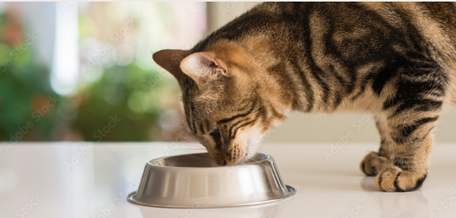
Feed Your Cat the Way Nature Intended
As cat owners, we all want our feline companions to live long, healthy, and happy lives. One of the most important factors in your cat's overall health is nutrition. At BJ's Raw Pet Food, we believe that feeding cats a biologically appropriate raw diet is one of the best ways to support their health from the inside out.
More pet owners are making the switch to raw feeding and seeing incredible results—from shinier coats and healthier teeth to increased energy and improved digestion. But what exactly makes raw food so beneficial for cats?
Let's explore the science behind raw feeding and how you can get started.
Born to Hunt: The Feline Meat Diet
Cats are natural “hunters” and survive as carnivores in the wild. This means they are biologically designed to thrive on a diet primarily consisting of animal protein, organs, and fat.
In the wild, cats consume prey animals that provide:
• High-quality protein
• Essential amino acids like taurine
• Natural fats
• Moisture-rich nutrition
• Vitamins and minerals from organ meats
Commercial dry foods often contain significant amounts of carbohydrates, grains, and fillers that cats have little biological need for. Many kibble formulas contain 25-50% carbohydrates, despite cats having limited ability to process large amounts of starch.
A properly balanced raw diet more closely mimics the food cats evolved to eat.
The Science Behind Raw Feeding
Research has shown several physiological benefits associated with high-protein, moisture-rich diets for cats.

Better Hydration
Cats naturally have a low thirst drive because their ancestors obtained most of their water from prey.
Higher moisture intake may help support:
• Healthy kidney function
• Proper hydration
• Normal urinary tract function
• Healthy urine concentration
One of the most significant differences between raw food and dry kibble is moisture content.
Dry kibble typically contains only 8-10% moisture, while raw diets often contain 65-75% moisture. This closely resembles the natural water content found in prey animals.
Cats historically evolved in desert environments and have a naturally low thirst drive. They are designed to obtain much of their water through food rather than drinking large amounts from a bowl.
Hydration is particularly important for cats because urinary and kidney concerns are among the most common health issues seen in aging felines.
Species-Appropriate Protein
Protein is the most important nutrient for cats. It supports:
• Muscle maintenance
• Immune function
• Tissue repair
• Healthy metabolism
Raw diets provide highly digestible animal proteins that closely match a cat's natural nutritional requirements.
Natural Taurine
Taurine is an essential amino acid for cats. Deficiencies can contribute to serious health issues affecting the heart, vision, and immune system.
Raw meat naturally contains taurine, making it a valuable component of a balanced feline diet.
One of the most important reasons cats require a meat-based diet is their need for taurine, an amino acid-like compound that is absolutely essential for feline health. Unlike many other animals, cats cannot produce enough taurine on their own to meet their body's needs. This means they must obtain adequate amounts through their diet every day.
Taurine is found almost exclusively in animal tissues, particularly in muscles and organs such as the heart, liver, and dark poultry meat. Because cats evolved as strict carnivores, their bodies developed with the expectation that taurine would naturally be present in the prey they consumed.
A properly formulated raw diet contains natural sources of taurine from fresh meat and organ ingredients. This closely mirrors the way cats have obtained this critical nutrient throughout their evolutionary history.
Why is Taurine so Important?
Taurine plays a role in several vital functions throughout the body, including:
Heart Health
Taurine is essential for maintaining healthy heart muscle function. A deficiency can contribute to a condition known as dilated cardiomyopathy (DCM), where the heart becomes enlarged and less effective at pumping blood. Although DCM is less common today due to increased awareness of taurine requirements, adequate intake remains crucial for lifelong cardiovascular health.
Vision and Eye Function
The retina contains some of the highest concentrations of taurine in the body. Cats require taurine to maintain healthy retinal cells and normal vision. Long-term taurine deficiency can lead to irreversible retinal degeneration and vision loss.
Reproductive Health and Development
Taurine plays an important role in reproductive success and healthy kitten development. Pregnant and nursing cats require adequate taurine levels to support fetal growth and the development of healthy offspring.
Immune System Support
Research suggests taurine contributes to normal immune function and may help support the body's natural defenses. It is involved in several cellular processes that help maintain overall health and wellness.
Digestive Function
Taurine is used in the production of bile salts, which help cats digest and absorb dietary fats. Since cats rely heavily on fat as an energy source, taurine is an important part of efficient nutrient utilization.

Why Natural Sources Matter
In many commercial pet foods, taurine is added back into the formula during manufacturing because processing methods can reduce naturally occurring taurine levels. High temperatures (HPP) used during cooking and extrusion can alter nutrient availability, making supplementation necessary.
Raw diets, on the other hand, retain naturally occurring taurine from fresh meat ingredients. While balanced raw foods may still include supplementation to ensure nutritional completeness, they also provide taurine in the form cats have consumed naturally for thousands of years.
Particularly rich natural sources of taurine include:
• Heart muscle (especially beef and chicken heart)
• Dark poultry meat
• Turkey
• Rabbit
• Fish
• Organ meats
Taurine and the Raw Feeding Difference
One reason many cat owners are drawn to raw feeding is that it provides nutrition in a form that closely resembles a cat's ancestral diet. In the wild, a cat consuming whole prey would naturally receive taurine from muscle tissue, organs, and connective tissues.
A properly balanced raw diet seeks to replicate these nutritional principles by incorporating taurine-rich ingredients that support:
• Healthy heart function
• Clear vision
• Normal digestion
• Immune health
• Overall vitality
At BJ's Raw Pet Food, we understand that taurine is not just another nutrient—it's one of the foundations of feline health. That's why our recipes are designed with the biological needs of cats in mind, providing high-quality animal ingredients that help deliver the essential nutrition cats were born to thrive on.
Dental Benefits
Many cat owners report cleaner teeth and fresher breath after switching to raw food. While no diet replaces regular veterinary dental care, chewing on raw meaty components can help reduce plaque buildup compared to highly processed foods.
Benefits Cat Owners Commonly Notice
Every cat is different, but many raw feeders report improvements such as:
Softer, Shinier Coats
Healthy fats and quality protein help nourish skin and fur from the inside out. A cat's coat is often one of the best indicators of overall health. Healthy skin and fur require adequate protein, essential fatty acids, vitamins, and minerals.
Hair is composed primarily of protein. Because raw diets are rich in high-quality animal protein, they provide the building blocks needed to maintain strong, healthy fur. Additionally, naturally occurring fats found in raw meat can support skin hydration and coat condition.
Many cat owners notice:
• Softer fur
• Increased shine
• Reduced dandruff
• Less dry or flaky skin
• Decreased excessive shedding
These improvements often become noticeable within several weeks to a few months after transitioning to a balanced raw diet.
Smaller, Less Odorous Stools
Because raw diets are highly digestible, cats often produce less waste.
Increased Energy and Vitality
Many owners notice their cats becoming more active, playful, and engaged. Many owners report that their cats seem more energetic and playful after switching to a raw diet. While every cat is different, this increase in vitality may be linked to improved nutrition, better digestion, and more efficient energy utilization.
Because cats are carnivores, they are naturally adapted to use protein and fat as primary fuel sources. A diet rich in species-appropriate nutrients can help support:
• Sustained energy levels
• Improved stamina
• Increased playfulness
• Better mental alertness
• Enhanced overall well-being
Some owners describe seeing older cats become more active and engaged after transitioning to a balanced raw feeding program.
Improved Weight Management
High-protein diets can help support lean muscle mass and healthy body condition. Cats are naturally athletic animals built for sprinting, climbing, and hunting. Maintaining lean muscle mass is critical for long-term health, especially as cats age.
Protein is the most important nutrient for preserving muscle tissue. Studies have shown that cats require higher levels of dietary protein than many other species. Raw diets are typically rich in animal protein and lower in unnecessary carbohydrates, helping support a healthy body composition.
Benefits may include:
• Increased lean muscle mass
• Reduced body fat
• Improved physical condition
• Better mobility
• Easier weight maintenance
For overweight cats, a veterinarian-supervised transition to a properly portioned raw diet may help support healthy weight loss while preserving valuable muscle tissue.
Smaller stools are often a sign that your cat is absorbing more nutrients and producing less waste.
Reduced Food Sensitivities
Some cats with sensitivities to certain processed ingredients may benefit from simpler raw formulations with limited ingredients.
How to Get Started with Raw Feeding
Transitioning to raw food doesn't have to be complicated!
Step 1: Start Slowly
Introduce small amounts of raw food alongside your cat's current diet. Gradually increase the raw portion over 7-14 days.
Step 2: Monitor Your Cat
Watch for changes in:
+ Appetite
+ Energy levels
+ Stool consistency
+ Overall comfort
Most cats adapt well when transitions are done gradually.
Step 3: Feed a Complete and Balanced Diet
Not all raw diets are created equal. Cats require specific nutrients, including taurine, calcium, phosphorus, and essential fatty acids.
That's why it's important to choose a properly formulated raw food from a trusted source. At BJ’s Raw Pet Food, we are celebrating serving the pet community for ten years!
Step 4: Practice Safe Food Handling
Just as with any raw meat product intended for human consumption, proper storage and handling are important:
+ Keep frozen until ready to use
+ Thaw in the refrigerator
+ Use clean bowls and utensils
+ Wash hands after handling
Why Choose BJ's Raw Pet Food?
At BJ's Raw Pet Food, we're passionate about helping pets thrive through natural nutrition.
Our raw recipes are crafted using quality ingredients designed to provide the nutrition cats need while keeping feeding simple and convenient for pet owners.
Whether you're new to raw feeding or looking to upgrade your cat's current diet, we're here to help every step of the way.

Special Offer: Save on Our Introductory Package
Ready to see the difference raw feeding can make?
New customers can receive 40% OFF our Introductory Raw Feeding Package.
This starter bundle is designed to make transitioning easy and includes:
-
A variety of protein options
-
For Feeding Guidance: refer to our online Feeding Calculator (click here)
Use code: CATSINTROPACK at checkout.
Give Your Cat the Nutrition They Deserve
Your cat's body was designed for real food. By feeding a species-appropriate raw diet, you may help support better digestion, healthier skin and coat, improved hydration, and overall wellness.
If you're ready to make the switch, BJ's Raw Pet Food is here to help.
Contact us today to learn more about our products and discover how raw feeding can benefit your feline family member.
🚨Transitioning to raw doesn't have to be stressful. By avoiding these common mistakes and choosing a trusted partner like BJ’s Raw Pet Food, you are giving your pet the gift of a longer, healthier life.
Ready to start? 👉 [Shop our Beginner-Friendly Introductory Packages] 👉 [Talk to our Lancaster Team: (717) 745-8899]
Real Food, Real People - Raw, Unprocessed Food for your Pet and Live Customer Support 🚘 Live close by? Visit us Mon - Fri 8am-5:30pm EST, Saturday 9am - 3:00 pm EST. 📍1518 Millport Road, Lancaster, PA. 📲(717) 745-8899
OUR MISSION is to feed pets the way nature intended—keeping them healthy with fresh, raw foods made only from whole ingredients, free from preservatives, synthetic vitamins and minerals, and unnecessary processing.
To see and hear testimonials from customers, click the links below to follow us on Facebook, Instagram, and Tik Tok





Feed Like Nature Intended & Follow Our Journey!
What is Holding You Back from Starting a Raw Food Meal Plan for your Pet?
We would love to hear from you🗣️. Share the blog on your socials
~ Feed Like Nature Intended ~
