


Raw Feeding, Preventative Care, and how to help your Dog or Cat live a long, healthy life:
Discover Expert Insights from the Raw Dog Food Summit, brought to you by PetSummit.com and Dr. Ian Billinghurst, leading founder of the Raw Food Movement
The Raw Dog Food Summit online sessions wrapped up, but if you missed it, we are here to provide you with highlights! We recommend you go over to their website to hear first-hand what the industry professionals on raw feeding are talking about. Raw Dog Food Summit is offering an Encore Replay, free online event this weekend, February 20-22, 2026. Free access will close Sunday at 11:59 PM EST.
For free access, go to → https://petsummits.com/raw/enc

Led by the "Father of Raw" Dr. Ian Billinghurst, who started the Raw Food movement in 1993 with his first book, “Give Your Dog a Bone”, moderated video sessions with 14+ of the world’s most trusted holistic pet care speakers on the benefits of raw feeding and why food matters. We have partnered with Dr. Billinghurst to bring you the best in raw feeding.
The Raw Dog Food Summit brought together veterinarians, trainers, nutrition experts, and pet industry leaders to discuss the powerful impact of raw feeding and how we can improve our pet’s lives and longevity.

Dr. Ian Billinghurst (Pictured Above)
These industry leaders include names that you might already be familiar with, or if you are just starting the raw food journey, below are just a few of the speakers who contributed to the most recent Dog Food Summit this week:
+ Dr. Ian Billinghurst, Veterinary Surgeon, Pet Nutritionist, and a long time friend and professional resource of BJ’s Raw Pet Food
+ Dr. Judy Morgan, Integrative Veterinarian
+ Dr. Nick Thompson, Veterinarian
+ Dr. Katie Woodley, Holistic Veterinarian, known as The Natural Pet Doctor
+ Dr. Conor Brady, Scientist, Writer, Trainer, Pet Nutritionist
+ Kasie Maxwell Grujcic, Founder/Owner SFRAW
One of the summit’s core sessions focused on the evolution of a dog’s dietary genome - how genetics influence long-term health outcomes. Dr. Billinghurst highlighted that:
+ Dogs evolved as hunters and scavengers
+ Their digestive systems aren’t optimized for high-grain kibble
+ Returning to real, unprocessed food can reduce inflammation and chronic disease risk.
Raw Feeding: Benefits, Risks & Smart ImplementationBenefits of Raw Feeding for Dogs and Cats
Raw feeding continues to gain popularity among both dog and cat owners. Dr. Nick Thompson, Veterinarian and Raw Feeding Advocate, offered a critique of dry food diets, noting how many conventional foods can contribute to digestive issues, allergies, and long-term ill-health when compared to raw or minimally processed diets.
Dr. Christian Vergara broke new ground by exploring and discussing the psychobiome - the connection between gut microbes, behavior, and mental health in dogs. This emerging area supports a holistic diet approach, including raw feeding to enhance not only physical but emotional well-being.
Experts at the summit discussed why many pet parents are turning to raw diets, highlighting these areas as primary benefits of raw feeding:
+ Ingredient transparency
+ High-protein, species-appropriate nutrition
+ Fewer fillers and additives
+ Improvements in coat, stool quality, and energy
+ Going back to basics and feeding like nature intended
+ Recognizing that scientifically formulated foods, or kibble, is like feeding fast food to our pets
The first question asked in the Raw Dog Summit is Why does food matter?
Food matters enormously to dogs and cats - what we choose to feed them directly affects how their bodies function every single day. Proper nutrition is essential for the health and longevity of both dogs and cats. A balanced diet can prevent health issues, saving money on veterinary care in the long run. By feeding the right food, by feeding raw, you will notice this in your pet:
+ Higher and longer levels of energy
+ Improved lifelong health
+ Disease prevention
+ Balanced and better behavior
+ Increased lifespan
Vitamins and nutrients are an essential piece of the pyramid in whole body nutrition. Raw feeding is enriched with natural (not synthetic!) vitamins and minerals to provide optimal performance and well-being. Kasey Maxwell Grujcic, Founder/Owner of SFRAW, stresses the importance of sourcing vitamins and minerals from raw meat, raw organs, and raw bones. She states that both approaches can support health, however, the natural nutrients from raw foods offer important advantages over supplements. Nothing is better than a raw food source. As humans, we know we have less brain fog, perform better, have healthier minds and bodies when we eat vegetables, fruits, protein, and healthy carbohydrates coming from living sources, not manufactured supplements. If we do not have access to these fresh items, then the second best choice would be to use a supplement. This is important to consider and translate to our pets. When pets eat raw food, they are getting food enriched from animal sources which have produced these nutrients organically. When vitamins are depleted from our pet and our own food source, we suffer from an early onset of a variety of diseases and conditions.

Why raw food vitamins are better for dogs and cats than supplements:
+ Better nutrient absorption (higher bioavailability - how well your pet’s body can absorb and use nutrients)
+ Naturally occurring vitamins
+ Minerals in their organic form
+ Enzymes that support digestion
+ Nutrients work together in their natural balance, this is something supplements cannot fully replicate
+ Species-appropriate nutrition - dogs and cats are biologically designed to eat raw meat
+ Improved digestive health
Synthetic supplements often contain isolated nutrients, which may not absorb as efficiently because they lack the natural enzyme systems and nutrient pairings found in real food. For example, Vitamin E in raw meat comes with naturally occurring fats that improve absorption. Minerals in bone (like calcium and phosphorus) exist in the correct biological ratios. It is important to get the most benefit from a source when looking to extend the quality of life for your pet.
What will pet owners notice almost immediately when they feed raw food to their dog or cat:
+ Fussy dogs are no longer fussy
+ Within 48 hours a dog without solid stool is now producing more solid stool
+ After a few more days, digestion will improve - less rumbly tummy
+ Better breath
+ In the first couple weeks, less tartar on the teeth (from feeding raw bones such as chicken or duck feet)
+ By week three there is a noticeable improvement in the pet’s coat
+ Improved energy level
+ This is what provoked the raw food revolution - the changes that can be seen in just the first month of feeding raw!
Perceived Risks of Raw Feeding for Dogs and Cats:
Is Raw Pet Food Safe: Understanding Bacteria and Bone Risks for Dogs and Cats
Raw feeding often raises two major concerns: bacterial contamination and bone safety. Let’s chat about the bacteria first. Raw meat can contain organisms like Salmonella or E. Coli. So how do pet owners feed raw food safely?
The answer comes down to biology, handling practices and risk management.
+ Dogs and cats are biologically different from humans
+ Dogs and cats have digestive systems designed to process raw animal protein
+ Highly acidic stomach environments
+ Shorter digestive tracts
+ Rapid transit time
These factors reduce the likelihood of harmful bacteria multiplying inside the body. Healthy pets tolerate bacterial exposure differently and much better than humans!
While many pet owners report positive results with raw diets, safety depends on sourcing, handling, and proper formulation, just as it does for humans. Find yourself a reputable food source and build a relationship with this food provider. At BJ’s Raw Pet Food, we are here to partner with you in your dog’s health and happiness. We strive to offer a variety of mixes and blends to help accommodate food preference, rotation, novel proteins and more. There is a variety in milks, broths, organs, the ordinary and out of the ordinary, such as full prey quail and our new Bison mix. We have a live customer support team to help answer any questions that might arise. We source from reputable partners, providing the best quality from our farm to your doorstep.

Why have I been told that bones are not safe for my dogs and cats but raw feeding experts say that raw bones are recommended for my pets?
Let’s break down the misconception about bones and bone safety for pets. Bones are one of the most misunderstood parts of raw feeding.
Raw vs. Cooked Bones and Safety in Feeding Bones to your Pet
+ Cooked bones are dangerous because they splinter easily and can cause obstruction or perforation
+ Raw, appropriately sized bones are softer and much less likely to splinter
+ Think about this: Animals have been eating other animals in the food chain, bones, organs, meat, and have survived in the wild
+ Never feed cooked bones
+ Choose size-appropriate bones for your pet
+ Supervise chewing
+ For cats, finely ground bone is generally considered safer than whole bones
Important ways to create a safe environment for raw feeding in your home:
+ Buy from reputable manufacturers
+ Keep raw food frozen until use
+ Thaw in the refrigerator not the countertop
+ Wash hands, bowls and surfaces thoroughly
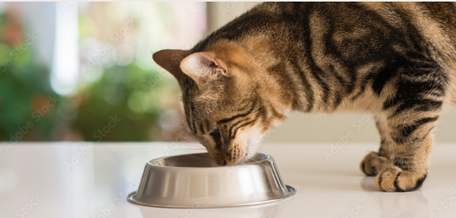
+ Use metal food bowls
Studies show that over 80% of dogs are obese or overweight. The same proportion are eating kibble. Kibble for dogs is like junk food for humans. It creates weight gain, diabetes, less energy and an early onset of disease. When you have a choice to provide a much healthier, natural and preferred form of food for your dog or cat, why not feed raw?
How should I begin to transition to raw feeding?
The best way for pet parents to make the transition to raw, according to Dr. Thompson, is either cold turkey or a gradual transition. Many puppies tolerate going cold turkey very well. Some owners are nervous to do this, and owners of older dogs should try a gradual transition from kibble to raw. To do this, he recommends ¼ raw the first day, ½ raw the second day, and the last ¼ the third day. By the fourth day, your dog or cat will be fully on a raw food diet. If this seems too quick for you or your pet, another option would be to do what he calls the “doubling system”, which is to start with 1 teaspoon of raw food in the first meal. If everything is tolerated well, then you go to 2 teaspoons in the next meal. If your dog or cat continues to tolerate the transition well, then you go to 4 teaspoons in the following meal. After this you would double to 8 teaspoons and continue this doubling method until your pet is fully moved to a raw food diet. Dr. Billinghurst noted that most dogs are happy to get real food and do not have a reaction.
In summary, one of the strongest themes across multiple sessions was a shift from reactive to proactive pet care. Rather than waiting for illness or behavioral problems to appear, experts emphasized early intervention and lifestyle-based health strategies. By focusing on natural, bioavailable nutrients from whole foods, pet owners can promote long-term vitality while ensuring their pets receive the essential vitamins and minerals needed to thrive on a species-appropriate diet.
For more information on raw feeding, visit bjsrawpetfood.com and for free video viewing this weekend from the Dog Summit, visit https://petsummits.com/raw/enc
